
Louisa's family, age 1
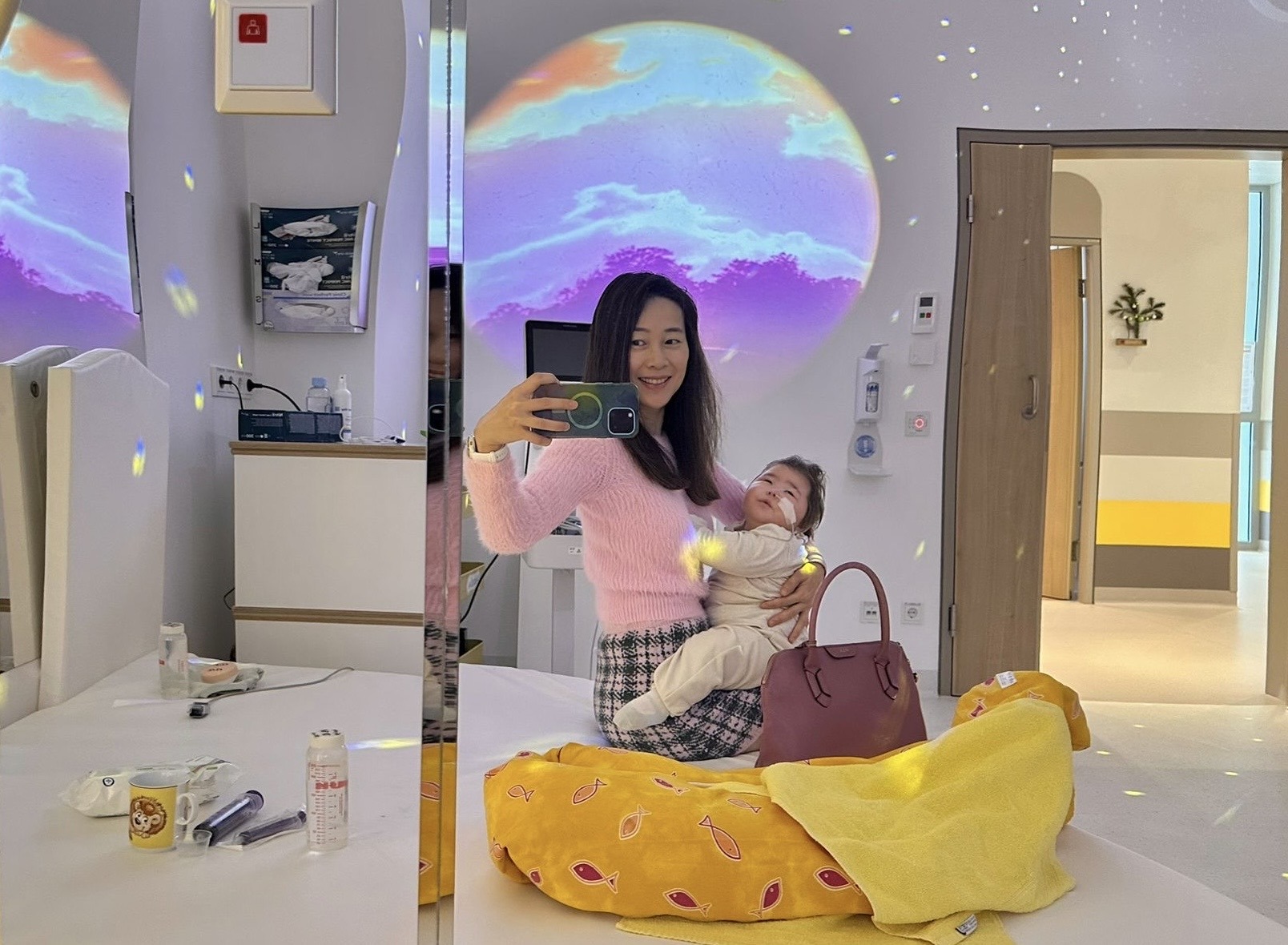
Report about Louisa (1 year old)
For families of children with ultra-rare conditions, everyday life means far more than just extra time and care. On top of that comes constant psychological strain: guilt, uncertainty, loss and a deep sense of powerlessness are intertwined. This phase of uncertainty often lasts a long time and is particularly hard to process.
For me, it began when my daughter Louisa was still very small.
Her medical journey was long and arduous. We experienced misdiagnoses and things being overlooked, and saw numerous doctors and facilities until we finally found a specialist who understood her situation and was able to diagnose an ultra-rare condition.
All the while, we were under constant emotional pressure. Feelings of helplessness, loss and pain kept coming back. At the same time, we had to stay able to act, make therapy decisions and deal with complex structures and the real challenges of the system.
We acquired medical knowledge, filled in countless applications, tried to understand administrative requirements and explained our situation again and again – all with the aim of getting Louisa the medical care and rehabilitative support she needed.
At the same time, we continued to work full-time, kept family life going and looked after the needs of another child. This permanently high burden of intensive care and multiple roles inevitably leads to physical and emotional exhaustion.
On top of that, information on rare conditions is highly fragmented and practical experience is often lacking. Parents frequently do not know whom to turn to. I spent many nights researching, organising documents and preparing for appointments – for fear of overlooking a crucial detail.
In addition, complex forms, lengthy bureaucratic procedures and administrative responsibilities are a considerable burden. While caring for Louisa, I also had to spend a lot of energy understanding systems and communicating with different offices to secure support.
Against this background, I realised that early intervention is not only about diagnostics and therapy, but just as much about supporting the whole family. Clear communication, genuine listening and an understanding that parents first have to grow into their role are central to this.
The Early Intervention Center that Stephanie is currently building closes exactly this gap between need and existing services. For families like ours, this means not only better coordination, but also being seen and understood – and no longer having to manage everything alone.
If you are currently going through a phase of uncertainty: you are not alone.
And if you support families like ours, thank you for everything you do – because these seemingly small gestures mean an enormous amount.
In this context, early intervention goes far beyond diagnostics or therapeutic measures. It means timely orientation, reliable coordination and human support at a moment when families are only just learning to find their way in a new and unfamiliar reality.
Initiatives like the Early Intervention Center, which is now finally set to be created, address exactly this need by closing gaps, reducing fragmentation and supporting not only the children but also the families who care for them.
For families like ours, such early and coordinated support can make the decisive difference – between being alone with uncertainty and feeling accompanied with understanding, clarity and trust.