Practising at home
You are the parents, not the therapists. Always keep that in mind. Your child needs to be able to rely on that.
Nevertheless, for a good result you are responsible for making sure that certain exercises are repeated in everyday life and thus trained. As parents, you are an essential part of your child’s therapy.
Watch the games in occupational therapy and physiotherapy closely and repeat these exercises at home.
Learning new movement patterns takes about 100 to 300 repetitions. Correcting a wrong movement often takes considerably more – over 3,000 repetitions.
Choose simple exercises that you want to build into everyday life over the coming weeks. E.g. opening screw-top containers, raising hands above the head, nudging something with the feet, depending on your child’s movement abilities. A baby sign, e.g. for milk, can also be practised. Everyday activities in particular can be good exercises, e.g. washing hands, brushing teeth, putting clothes on and taking them off, helping to tidy away toys.
“Use it – or lose it” If movements are not practised, the child will develop an alternative and no longer see any benefit in learning them.
Your child's growth works against you. To prevent shortening and contractures, Botox and timely fitting of orthoses are your best option. Regular stretching of spastic muscles has no therapeutic effect, but it does give an indication of mobility and any changes! Have the physiotherapist show you how to stretch correctly and make it a ritual – e.g. every nappy change, or in the morning when getting dressed and in the evening at bedtime.
Time also works against you, because with all children there comes a point when they simply no longer want to take part in therapy. This wish for autonomy has to be accepted, even if many later regret it as young adults. See the time until then as movement capital that you are saving up for your child.
With spasticity in the legs, standing is very important to prevent hip problems. If necessary, arrange a standing frame in good time. If your child can walk, make sure they often walk uphill or push things while playing, to stretch the calf muscles again and again. Discuss orthoses promptly to counteract malpositions such as pes equinus (toe walking).
If your child has hemiparesis, an incomplete paralysis of one side of the body, a regular AHA test, a standardised test that measures the function of the upper limb, can show whether the range of movement is improving or deteriorating. AHA tests can be carried out by occupational therapists certified for them.
Early support for motor development is important, especially as cognitive development and language go hand in hand with motor development.
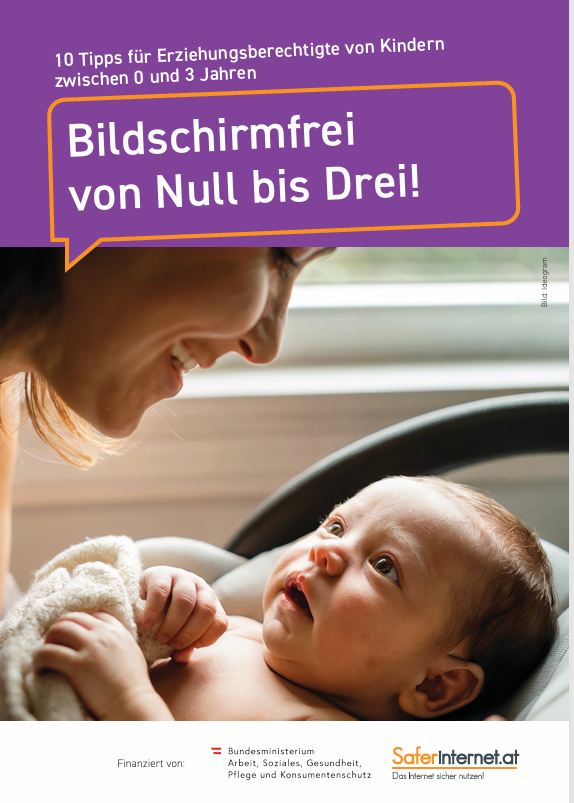
“No TV under three” – screen-free until three. If possible, try to avoid screen time completely before the age of 3 and involve your child as actively as possible to encourage attention and social behaviour. Recent MRI studies of children under 6 in the USA show that intensive use of phones and tablets can lead to a reduction in so-called white matter. Read the brochure “Bildschirmfrei von 0-3” (screen-free from 0–3, German)
Discuss with your doctors whether a vitamin B supplement could benefit your child's brain development.
Therapy toy ideas from CP-Toys
“Learning happens when it's fun”